Albumin: an Exceptional Biomaterial

Biomaterials are defined as natural or synthetic substances engineered to interact with biological systems in  order to restore, support, or enhance physiological functions. Their value lies in a combination of properties such as biocompatibility, stability, structural adaptability, and the ability to support tissue regeneration, healing, or controlled therapeutic delivery.

Within this broad category, natural biomatters occupy a special position because they combine intrinsic compatibility with the human body and physicochemical features that can be engineered into functional architectures.

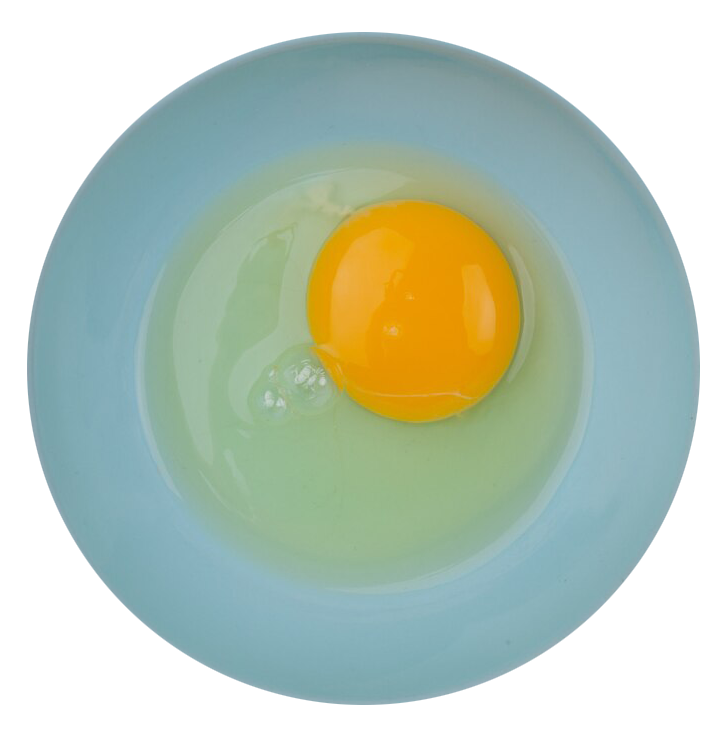
Among natural biomatters, albumin stands out as uniquely versatile. As the most abundant protein in human plasma, albumin is highly stable, soluble, non-immunogenic, and easily purified.

It exhibits rare physicochemical characteristics: a capacity for controlled denaturation leading to intermolecular crosslinking, an ability to transition from a soluble to a solid or gelled state without exogenous agents, inherent biodegradability, and remarkable molecular flexibility. Unlike structural proteins such as collagen or fibrin, albumin undergoes solidification through subtle mechanisms of protein crosslinking rather than polymerization, enabling the formation of tunable networks suitable for biomedical applications.

From Natural Biomatters to ALBUPAD Breakthrough Technology

Albumin remarkable properties become fully meaningful when albumin is transformed through a technology capable of precisely controlling its form, density, porosity, crosslinking structure, and degradation kinetics.

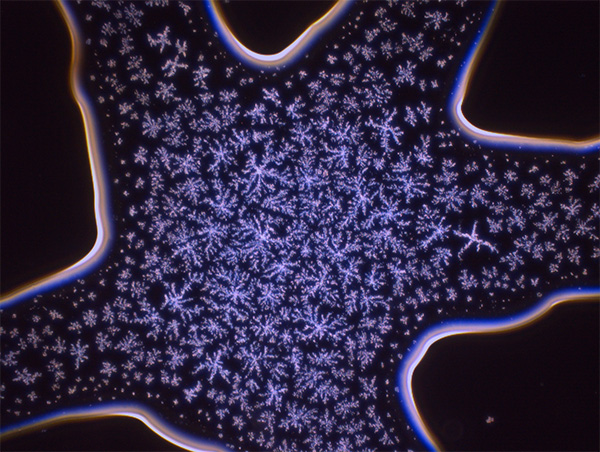
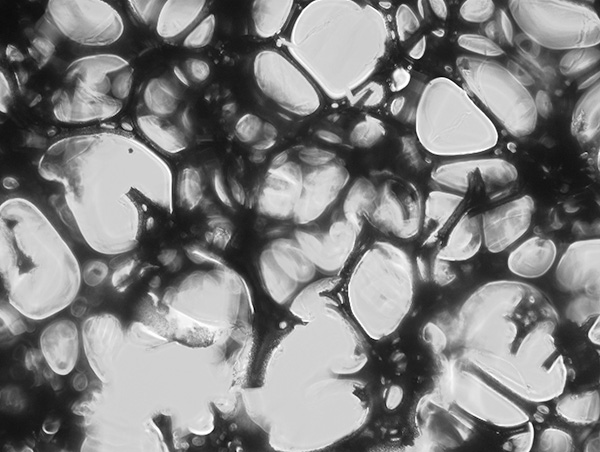
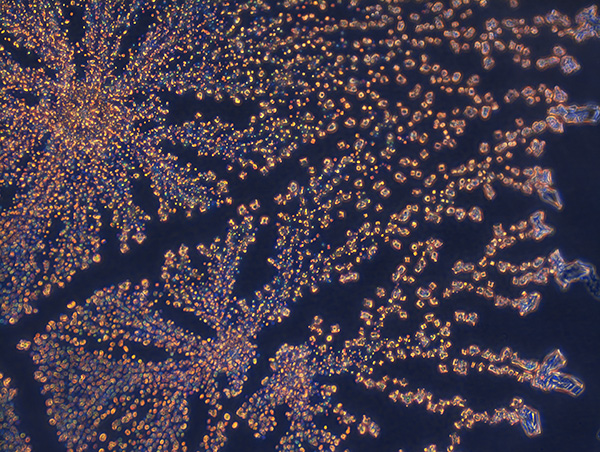
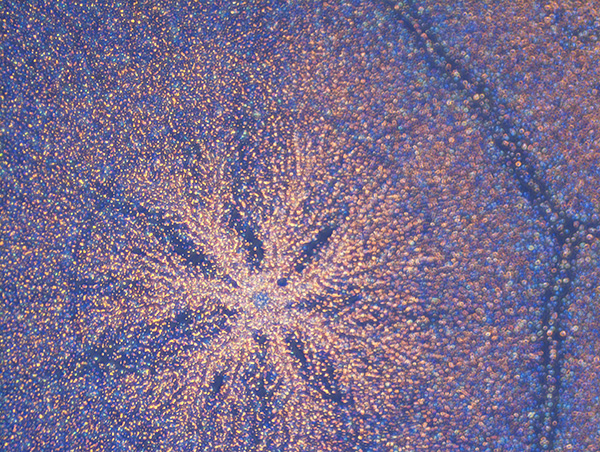
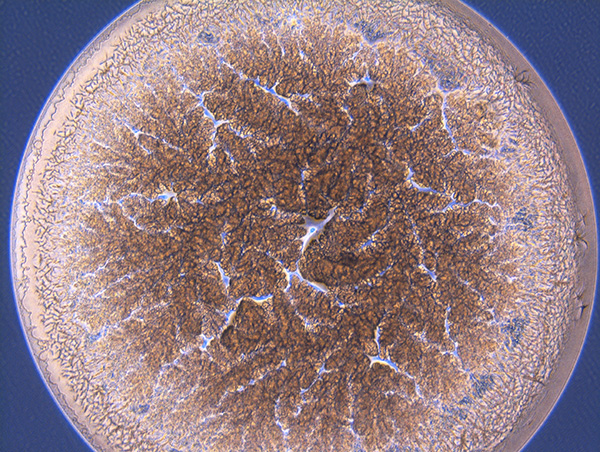
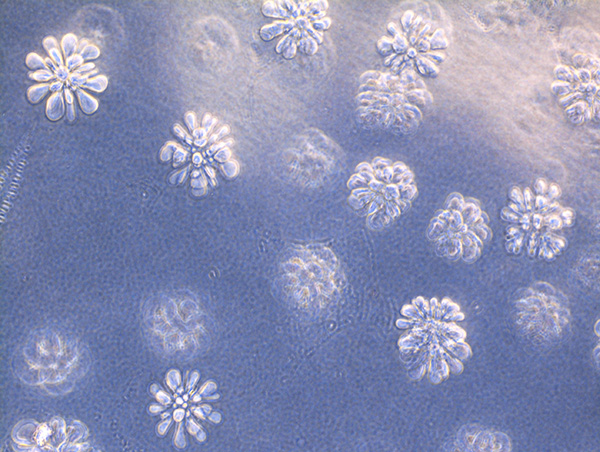
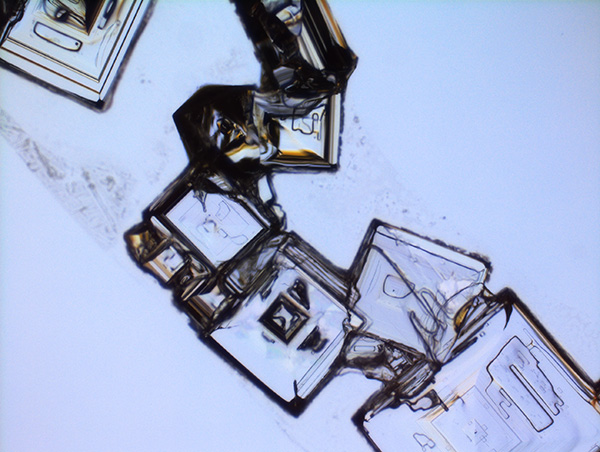
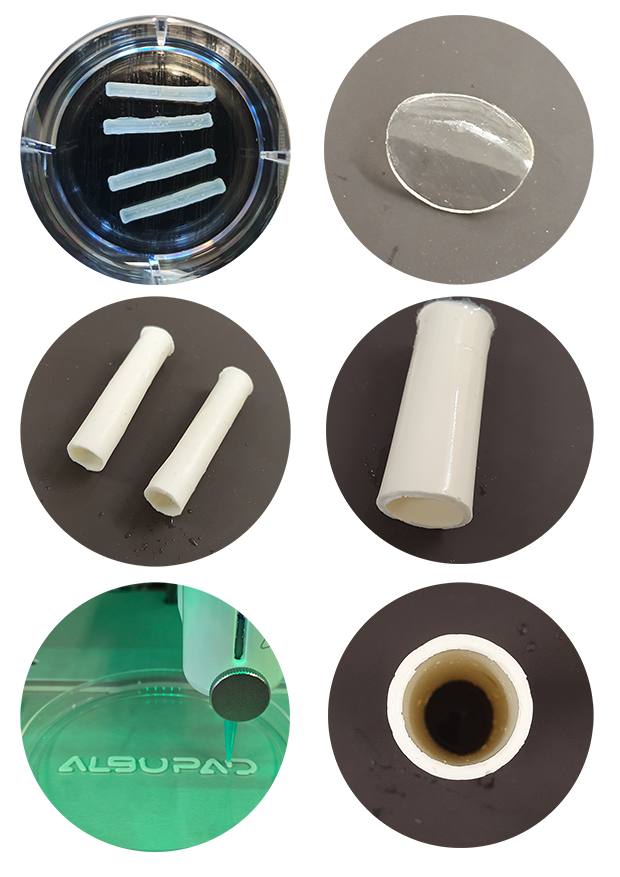
This is what the ALBUPAD technology achieves in a cost- and eco-efficient way: it converts native albumin into a highly functional biomaterial through a solvent-free process. By exploiting the intrinsic physicochemical behavior of albumin, ALBUPAD enables the production of solid matrices, films, microdiscs, and three-dimensional constructs that are uniform, stable, reproducible, and inherently biocompatible. The process provides levels of structural control that were previously unattainable for a non-modified protein-based material.

By combining biological safety, structural programmability, controlled diffusion capacity, predictable biodegradation, and adaptability to a wide range of medical applications, albumin shaped through ALBUPAD technology emerges as a new category of biomaterial: natural, programmable, and functionally exceptional. This positions it as a promising platform for drug delivery, resorbable implants, accidental or surgical wound healing, and advanced tissue engineering.

THE CHALLENGE

Enhancing the bioavailability of active pharmaceutical ingredients (API) through sustained and controlled drug delivery

MATERIAL + API

Treatments designed to fit patients daily lives promote adherence and improve health outcomes.

OUR SOLUTION

Native albumin-based materials designed to enable sustained drug delivery through implantable systems and long-acting depot formulations.

What makes our solution competitive?

  • Broad compatibility with diverse therapeutics, including hydrophilic compounds, peptides, and proteins
  • Enhanced control of drug release through intrinsic binding and retention within the albumin matrix
  • Complete bioresorption with no residual material at the end of treatment
  • Superior biocompatibility, supported by a natural and well-tolerated degradation pathway
  • Ultrasound and MRI compatible to allow non-invasive monitoring

OUR TECHNOLOGY

Non-denaturing process for the preparation of protein-based materials

Albumin + Salt

Evaporation 37°C

Washing (water)

100% Native Albumin

EXPERTISE

Formulation development Drug encapsulation

MEMBRANES

COMPACT MATERIALS

SPONGES

EXTRUDABLE MATERIALS

MICROPARTICLES

KEY PATENTS AND PUBLICATIONS

Patent : Aloui E. et al. Protein-based biomaterial with viscoelastic behaviour, process for obtaining it and uses thereof. Patent WO2021078946, 2021.

– Titles delivered in Canada & Japan, pending in US, China and Europe

Peer-reviewed publication : Aloui E. et al. Salt-Compact Albumin as a New Pure Protein-based Biomaterials: From Design to In Vivo Studies, Advanced Healthcare Materials (2025)